The Timeline
From a struggling grill on Route 66 to the most beloved regional burger in America.
Born on Route 66
It's 1922. The Great Railroad Strike has shut down the rail yards in El Reno, Oklahoma. Homer and Ross Davis, father and son, run the Hamburger Inn right where Route 66 meets U.S. Route 81. Hundreds of hungry striking workers, very little money.
Ross has a problem: ground beef is expensive. But onions? Dirt cheap. So he takes a ball of beef, drops it on the searing flat-top, piles on a mound of razor-thin white onions — and smashes them in with the back of his spatula.
"It made the burger look bigger while adding something nobody expected — pure deliciousness."
The Depression Burger
Oklahoma gets hit twice — the Great Depression collapses the economy, then the Dust Bowl turns the land to powder. Beef prices skyrocket. Crops fail. Whole families are wiped out.
But the onion burger survives. More than survives — it spreads across the state. Diners and cafes from western Oklahoma to Muskogee put it on the menu. It becomes the "Depression Burger" — not as an insult, but as a badge of honor. Oklahoma ingenuity feeding Oklahoma people.
Legends Are Born
Robert's Grill opens in 1926 — still serving the same burger today, same recipe, same atmosphere. Then Johnnie's Hamburgers in 1946. Then Sid's Diner in 1989, which would eventually appear on the Food Network.
Every spring, El Reno closes its streets for Fried Onion Burger Day — the fire department cooks an 850-pound Oklahoma burger, and 30,000 people show up just to taste history.
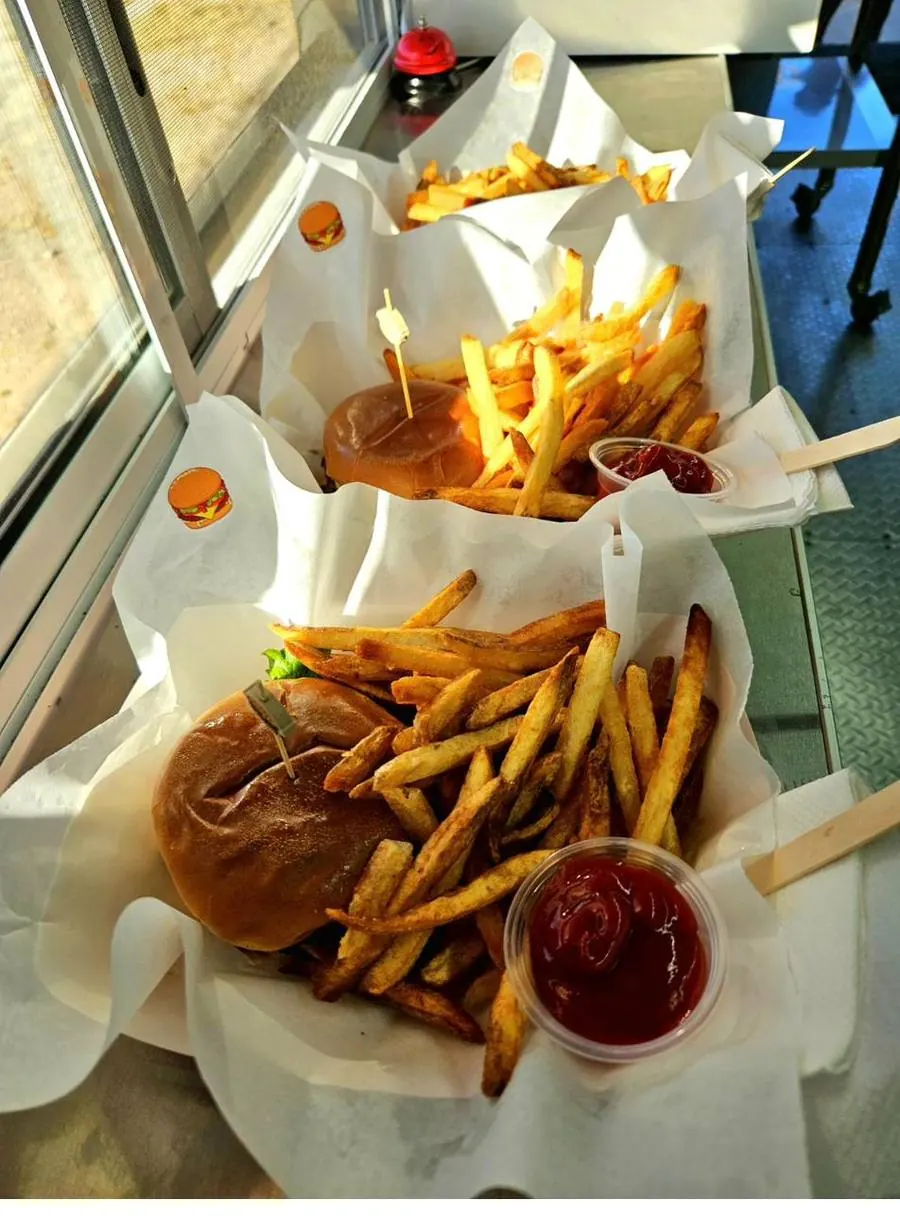
The Science of the Smash
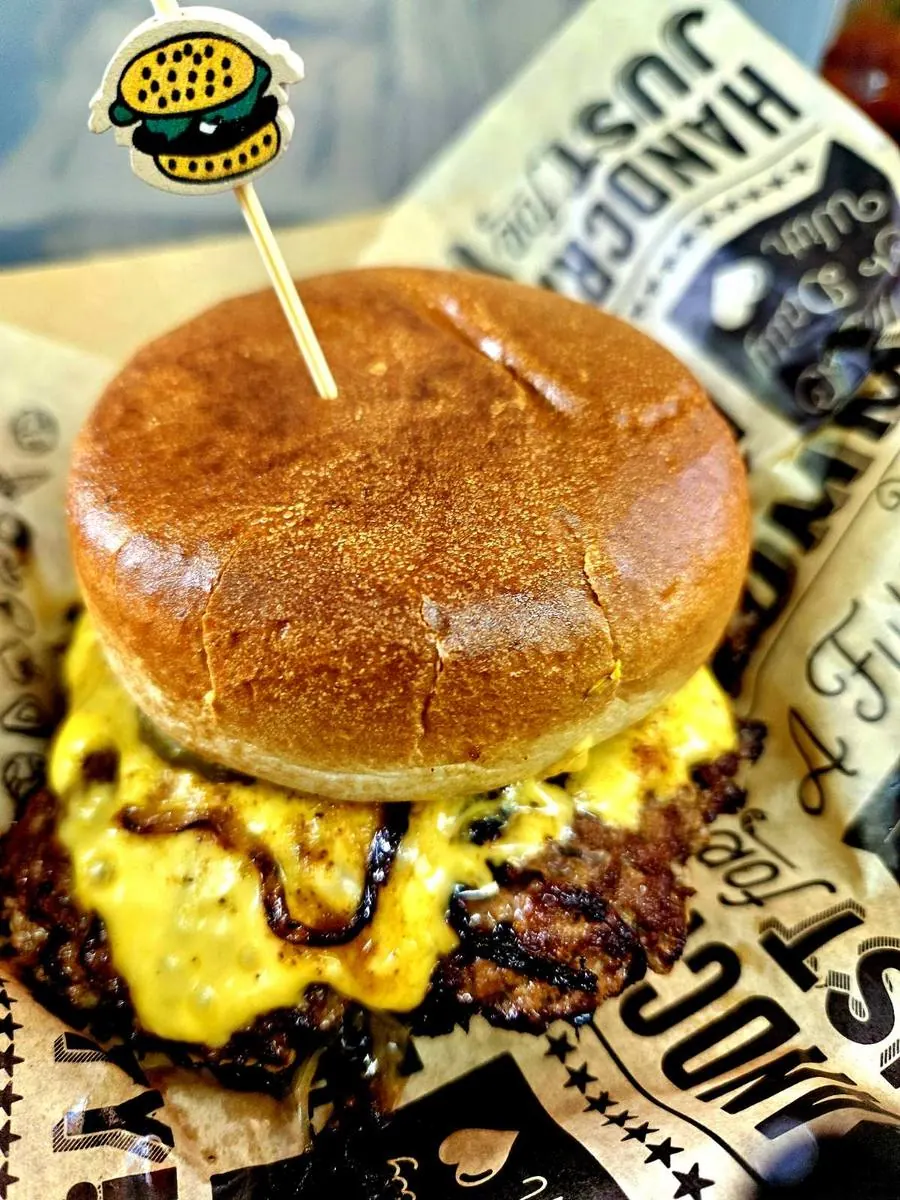
The genius is in the technique. You don't put onions on top of the burger. You smash them into the beef on a screaming-hot griddle. The onions caramelize, merging with the patty. Their sugars brown. Their moisture steams the bun from below.
The glutamates in the cooked onions amplify the umami of the beef. The edges of the patty crisp. The result is something that is, somehow, greater than the sum of its parts — richer, deeper, more complex than any plain burger could ever be.
"The onions are not a topping. They become one with the patty." — Lil' Eagle Burger, San Francisco
Oklahoma Conquers America
For decades the onion burger was a secret only Oklahomans knew. Then food historians and burger scholars started paying attention. The New York Times sent a reporter. Food Network showed up at Sid's.
Today the Oklahoma onion burger is served at Gotham Burger Social Club in New York City, at Bay Area pop-ups, at restaurants across the UK. A burger born in hard times on the Oklahoma plains went global — without ever changing its recipe.
"A culinary endpoint — a creation so perfect in its simplicity that it cannot be improved upon, only tweaked." — The New York Times